Fabric Guides
Reactive Dyeing vs Pigment Dyeing: What Bag Brands Should Know
Why full-process reactive dyeing gives cotton canvas deeper color, better wash fastness and softer hand feel.
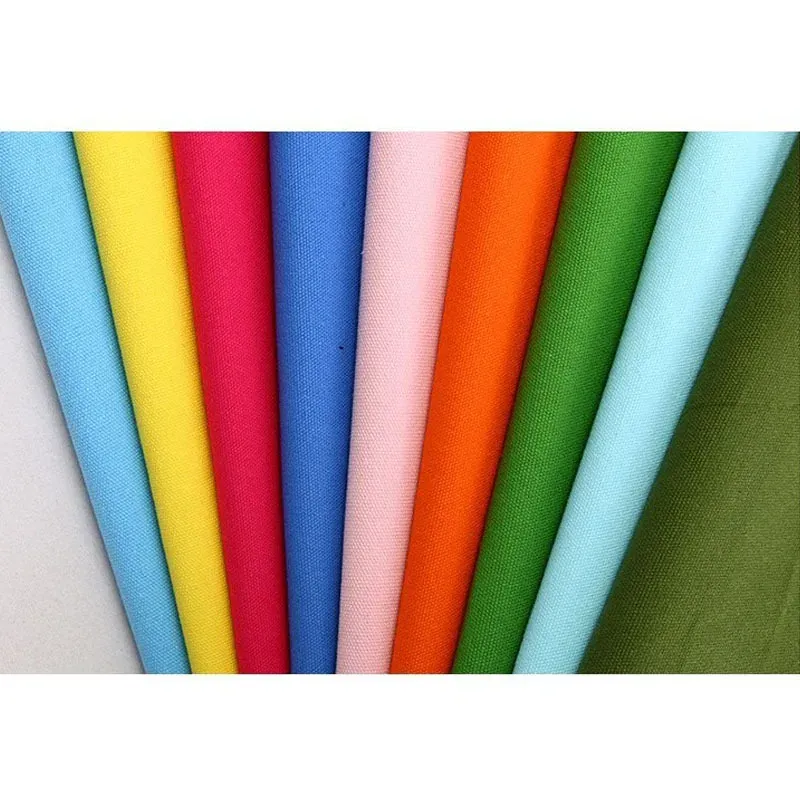
Almost every cotton canvas on the market is dyed either with reactive dyes or pigment (coating) dyes. The difference shows up in color depth, wash fastness and hand feel - three things buyers judge immediately.
Full-process reactive dyeing at KAWOCA
Both our 8 oz and 12 oz canvases use full-process reactive dyeing. Reactive dyes form a covalent bond with the cotton fiber, so color sits inside the yarn rather than on top of it. The result is deep, even color that survives repeated washing without fading or crocking.
What pigment dyeing gives up
Pigment dyeing coats the fiber surface with a binder layer. It is cheaper and faster, but the coating gradually washes and rubs off - visible on light-colored linings and stitching after a few wash cycles.
Why it matters for export programs
For brands selling into retail channels, wash fastness complaints are expensive. Reactive-dyed fabric protects your product reviews and return rates. Our reactive-dyed canvas is exported for bag, luggage, footwear and home textile programs with custom color matching.
FAQ: Can I get a sample to compare
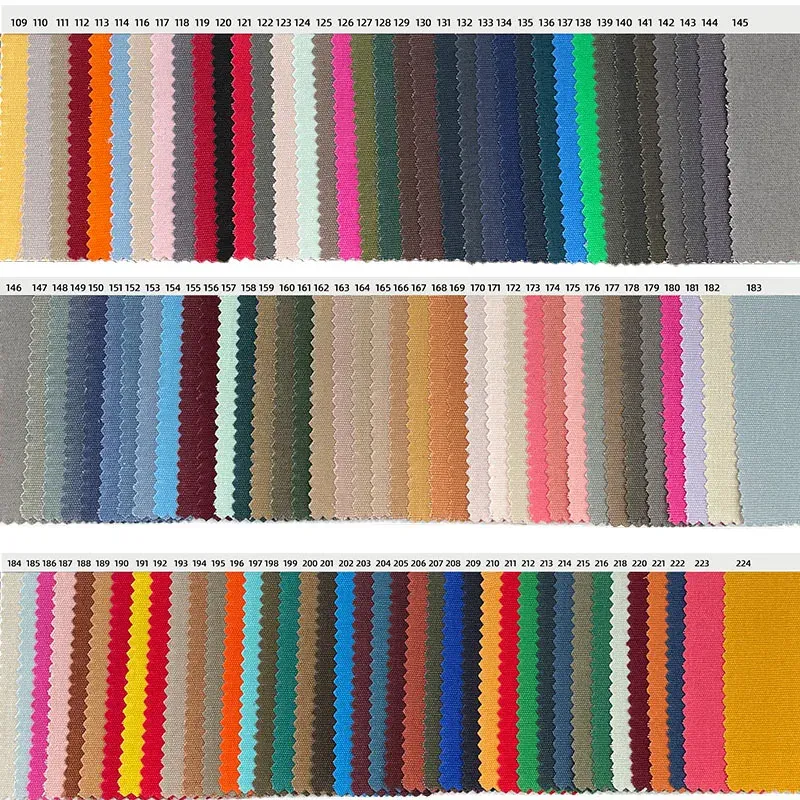
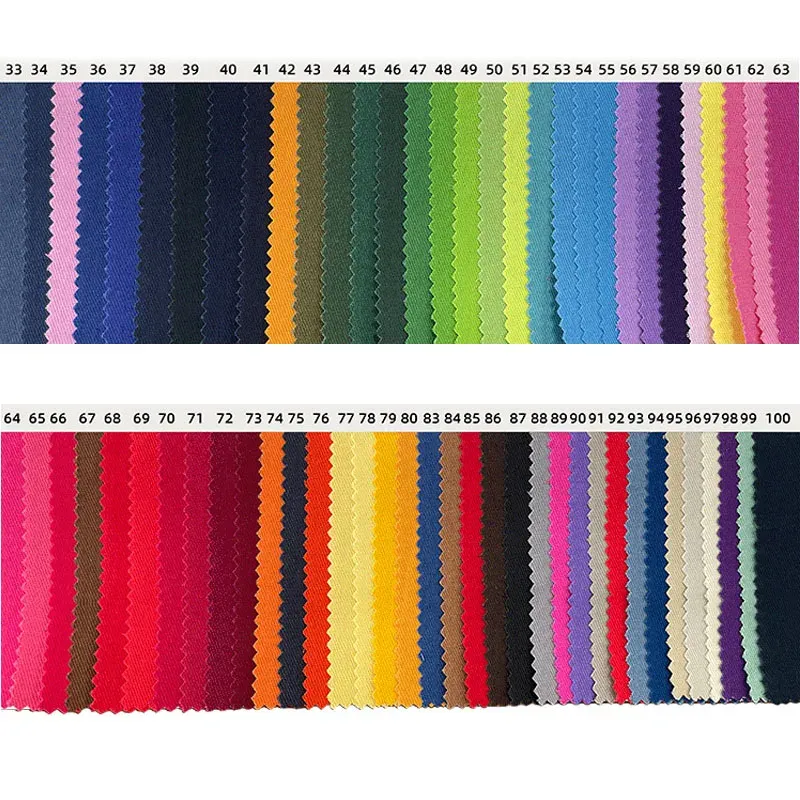
Yes. We provide reactive-dyed swatch cards and can dye to your Pantone or physical color standard. Contact us for sampling details and lead times.